
SMS is one of the few communication channels that is rarely ignored. Your phone buzzes, you glance at it, and almost instinctively you read the message. That’s where everything is decided. There’s a big difference between a message that arrives at the right moment and one that catches the recipient at work, asleep, or at the family dinner table. In the first case, it works. In the second, it simply annoys.
So let’s look at when an SMS is more likely to be read, generate a response, and most importantly, not feel like spam..
Does the Time of Sending Affect Message Performance?
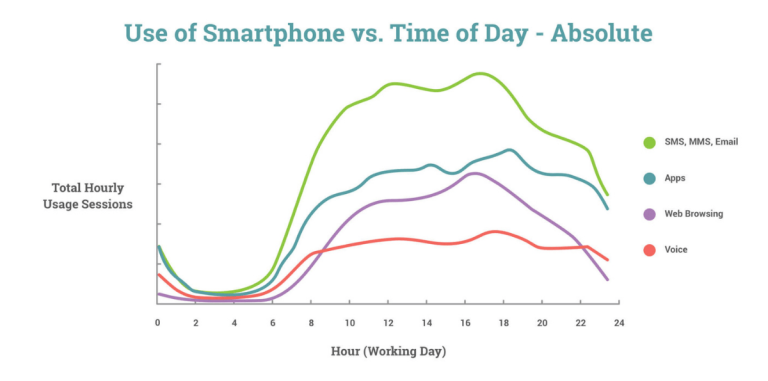
An SMS doesn’t “wait” for the recipient like an email does. It reaches them wherever they are, at that exact moment. That’s why the sending time is not just a detail, it’s one of the key success factors. Even a well-written message, if sent at the wrong time, loses its impact before it is even read.
In simple terms: it’s not only about what you say, but also when you say it.
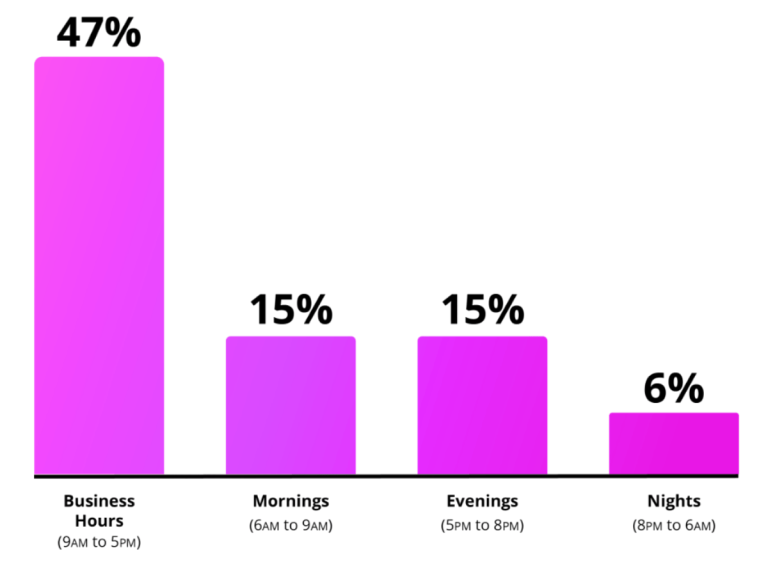
Which Hours Perform Better in Practice?
Based on various studies and campaign data, certain time “windows” consistently show higher engagement:
10:00–12:00
The day has already started, people have settled into their routine, and their phone is already in hand. This is an ideal time for updates, professional messages, and offers that don’t require immediate action under time pressure.
13:00–15:00
The classic lunch break window. Click rates are often higher here, especially in retail, delivery services, and coupon campaigns. Recipients usually have a bit more time to engage, as they temporarily step away from their busy schedule.
17:30–19:30
Possibly the strongest time window for sales and call-to-action messages. For most people, work has ended, attention relaxes, and according to consumer psychology research, there is a greater willingness to make purchases.
When You Should Avoid Sending SMS
Knowing when not to send is just as important as knowing when to send:
- Before 9:00 a.m., messages are often perceived as intrusive.
- After 9:00 p.m., they easily fall into the “annoying” category.
- Sundays and public holidays should only be used if there is a serious reason or clear consent from the recipient.
With SMS, respect for the recipient’s time is immediately noticeable.
B2C Is Different from B2B
Not everyone responds the same way.
In B2C communication, afternoons and Saturdays (especially 11:00–14:00) often generate better results.
In B2B communication, working hours – particularly 10:00–11:30 and 14:00–16:00, are significantly more effective.
This is why a one-size-fits-all “always send at the same time” approach rarely works.
Small Tests, Big Insights
A simple test is enough: send the same message at different times to small audience segments. After just a few campaigns, you’ll have a clear understanding of when your SMS performs best.
How to Make Sure It Never Feels Like Spam
The right timing alone is not enough. You also need:
- A clearly identifiable sender
- A meaningful reason for communication
- Moderation in frequency
- Content that offers real value
When an SMS arrives at the right time and says something worthwhile, it doesn’t feel intrusive. On the contrary, it feels welcome.
Conclusion
There isn’t one perfect time that fits everyone. There is, however, a right time for your specific audience. With the data and platform capabilities of ProSMS.gr , you can identify it and turn SMS into a tool for meaningful communication not just another notification on your recipients’ phones.